Italian Anise Biscotti (100-Year-Old Recipe)
Last Updated on September 17, 2026 by Kiersten James
Authentic Italian anise biscotti from our 100-year-old family recipe, flavored with anise oil and baked twice for the classic crisp biscotti texture.
Some recipes don’t come from cookbooks.
They come from a grandmother’s kitchen and get passed down until nobody even remembers who first wrote them down.
These anise biscotti belong to my husband’s great-grandmother. Her family lived in Little Italy on Arthur Avenue in the Bronx, and these were the biscotti that showed up for holidays, visits, and trays of cookies on the table.
Anyone who’s tried them says the same thing:
They’re the best anise biscotti they’ve ever had.
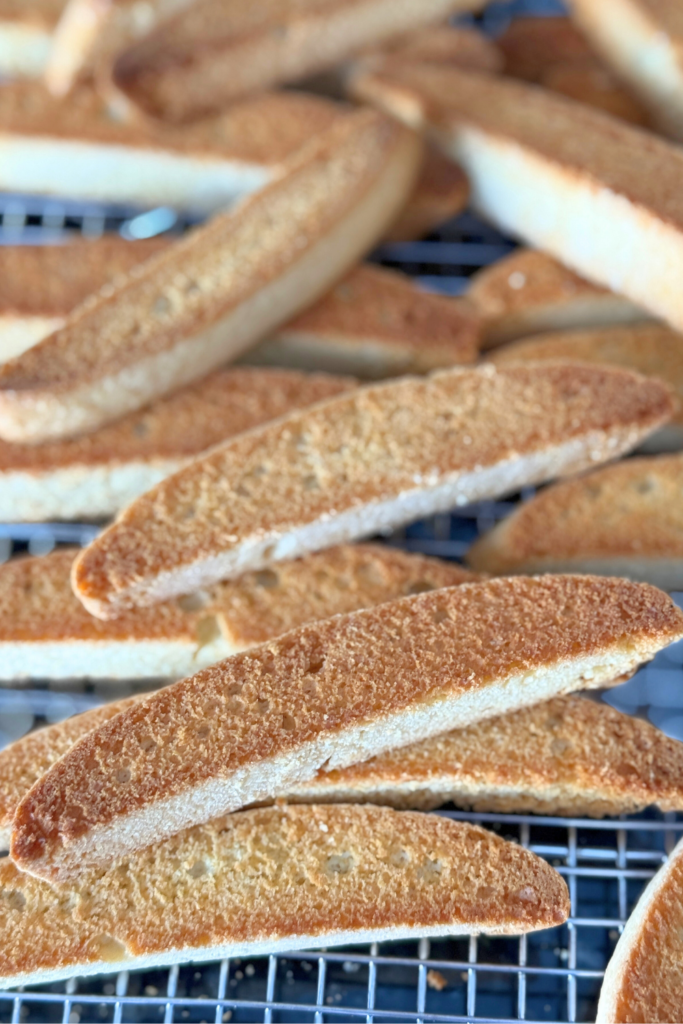
They’re lightly sweet, crisp on the edges from the second bake, and full of that unmistakable old-school anise flavor you get from real Italian bakery cookies.
The most important rule in this recipe: use anise oil – not anise extract.
Anise oil is much stronger and gives these biscotti the bold flavor they’re known for. Extract will taste weak and flat by comparison.
On a regular week, make half a batch. For holidays or gatherings, make a double batch. They’re almost guaranteed to be one of the first cookies to disappear from the tray.
They’re also perfect for holiday gift boxes, especially if you know someone who loves anise cookies.
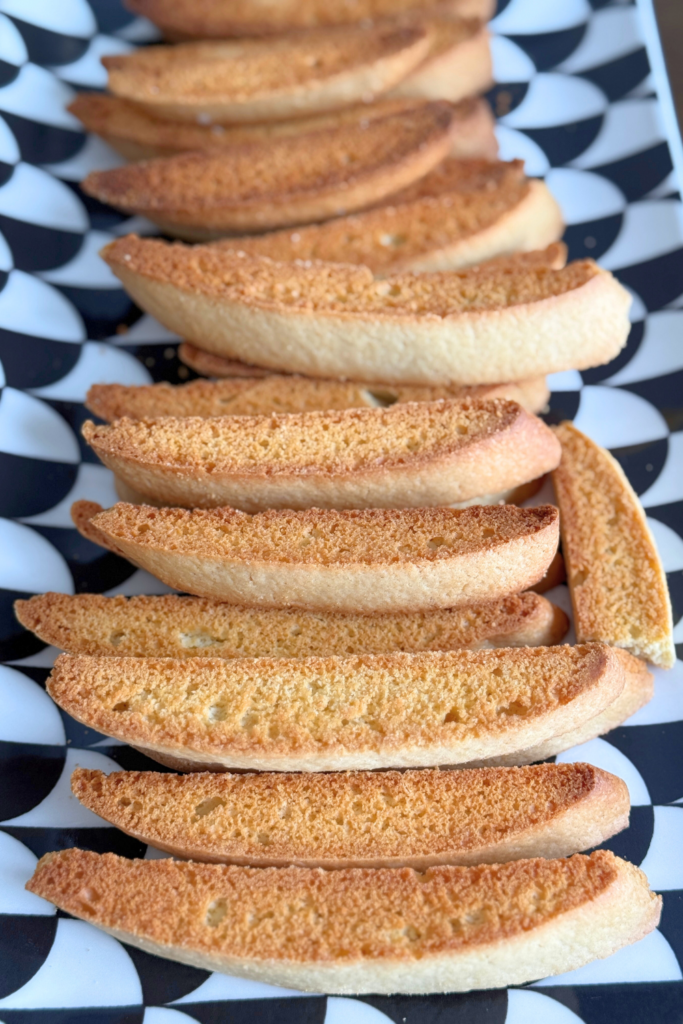
Why You’ll Love These Anise Biscotti
- Truly authentic Italian-American anise biscotti
- Nearly 100-year-old Arthur Avenue family recipe
- Crisp toasted biscotti edges with a soft center
- Bold traditional anise flavor
- Perfect with strong coffee or espresso
- Excellent for holiday cookie trays and gift boxes
Ingredients You’ll Be Using:
Anise Oil: The ingredient that gives these biscotti their unmistakable Italian bakery flavor. Anise oil is far stronger than anise extract, which is why the recipe only uses a small amount. Using extract, Sambuca, or French anisette will not give the same flavor.
Vegetable Oil: Many traditional Italian biscotti recipes use oil instead of butter. It keeps the biscotti lighter and gives them that classic crisp texture after the second bake.
Sugar: Adds sweetness and helps the biscotti brown during the toasting stage.
Flour: Provides the structure for the biscotti loaves before slicing.
Salt: Balances the sweetness and strengthens the dough.
Baking Powder + Baking Soda: Creates just enough lift so the biscotti stay slightly tender inside while still crisping up on the edges.
Eggs: Eggs bind the dough together and give the biscotti their structure.
Milk: Adds a tiny bit of moisture so the dough comes together smoothly.
Tips for the Best Anise Biscotti Ever
Always Use Anise Oil
This recipe was written for anise oil, not extract. The oil is significantly stronger and gives these biscotti their classic Italian flavor.
Slice While the Loaves Are Hot
As soon as the loaves come out of the oven, cut them immediately. Waiting too long can cause the biscotti to crack while slicing.
The Second Bake Is What Makes Biscotti
After slicing, the cookies are toasted again under the broiler. This second bake creates the crisp texture that biscotti are known for.
Adjust the Batch Size
This recipe makes six biscotti loaves. Each loaf can be sliced into 10 to 12 biscotti, depending on thickness.
For everyday baking, I make half a batch (3 loaves). For holidays, family gatherings, or gifting, I make a double batch (12 loaves).
How to Make the Best Anise Biscotti
Equipment:
- Stand mixer
- Paddle attachment
- LIFE CHANGING flour funnel my husband got for me
- Bench scraper
- Baking sheet
- Wire rack for cooling/baking
- Metal spatula
- Cutting board
- Serrated knife
Ingredients:
- 5 cups flour
- 1 teaspoon salt
- 3 teaspoons baking powder
- 1/2 teaspoon baking soda
- 6 eggs
- 2 cups sugar
- 1 cup vegetable oil
- 1 teaspoon anise oil
- 1/4 cup milk
Instructions:
Preheat the oven to 350°F. Lightly oil two baking sheets.
In a medium-sized bowl, whisk together the flour, salt, baking powder, and baking soda until well combined.
In the bowl of a stand mixer (with the paddle attachment), beat the eggs, sugar, milk, and oil together on medium speed until well combined.
Mix in the anise oil on low speed.
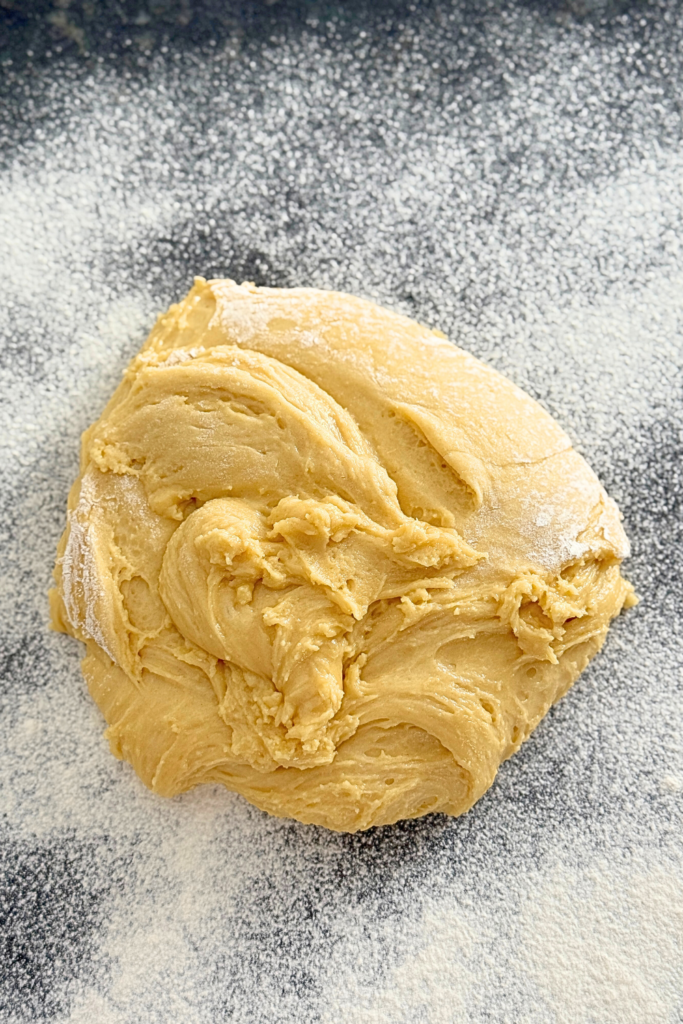
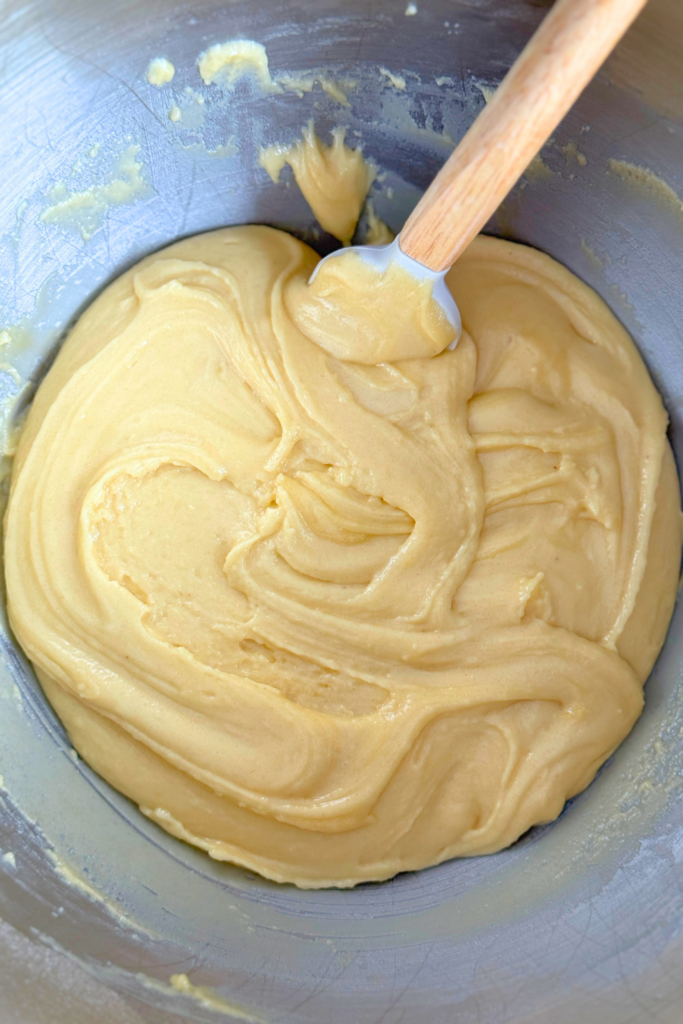
Still on low speed, add the flour mixture a little at a time until a smooth, sticky dough forms.
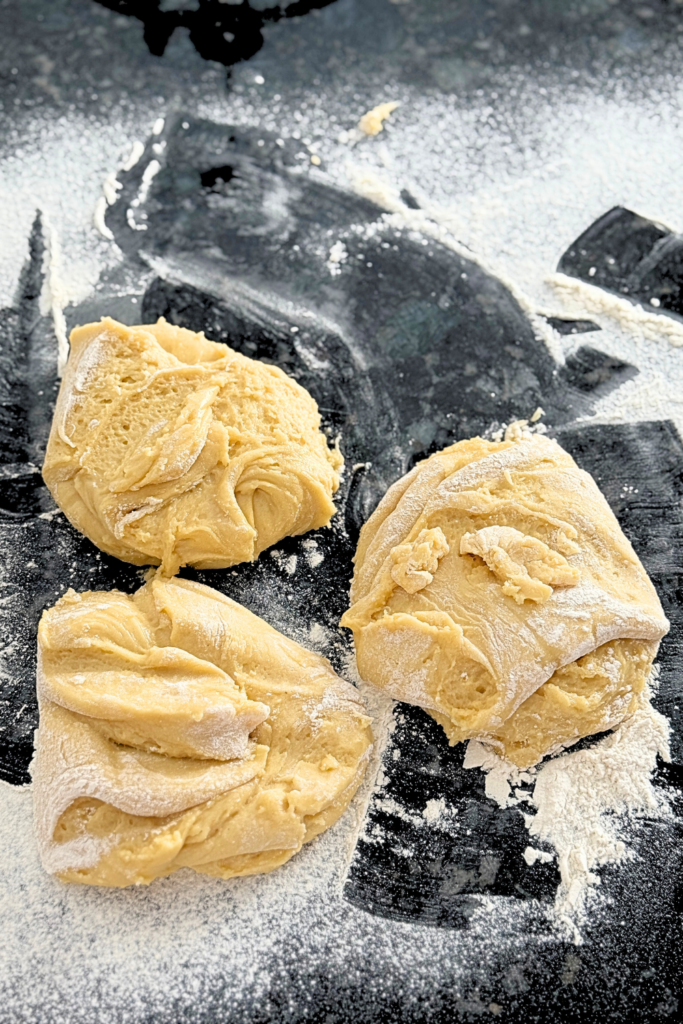
On a floured surface, divide the dough into 6 equal portions with a bench scraper. Use the scraper to lift the edges of the dough portions up and over to form rough balls.
Transfer one portion at a time to an oiled baking sheet.
Shape into a horizontal loaf about 8 inches by 3 inches. Gently flatten to about 1″ thickness. Repeat for each portion, placing each loaf 3″ apart – they will spread a little bit. I would not put more than 3 per baking sheet.
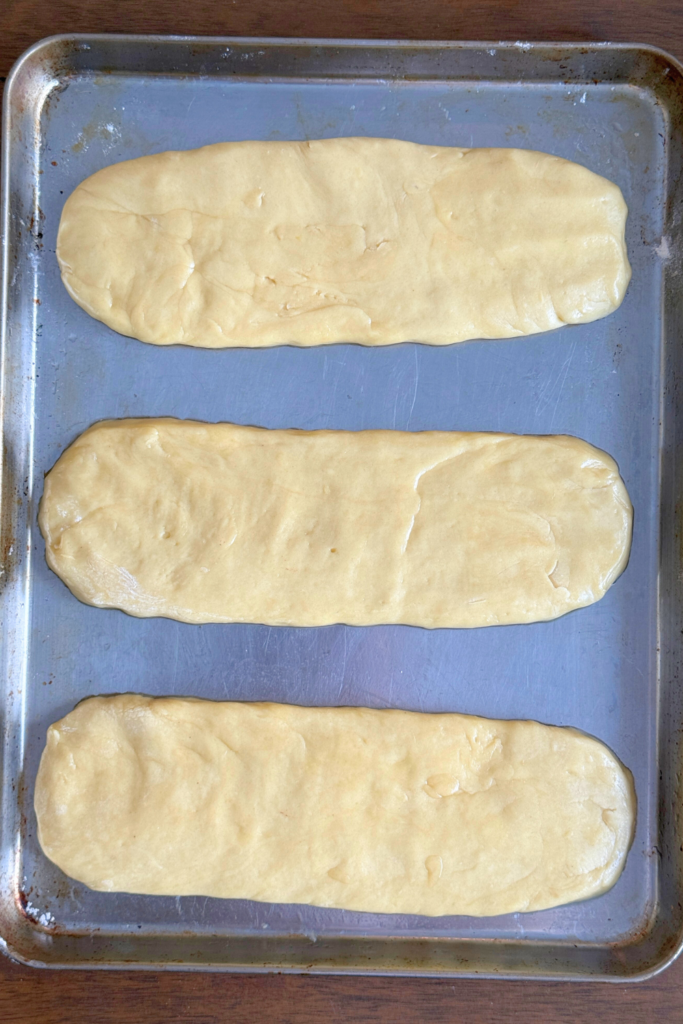
Bake at 350°F on the middle racks for 25 minutes, rotating and switching the baking sheets halfway through baking.
Remove the loaves from the oven when the edges are lightly browned, and there is light springback when pressed.
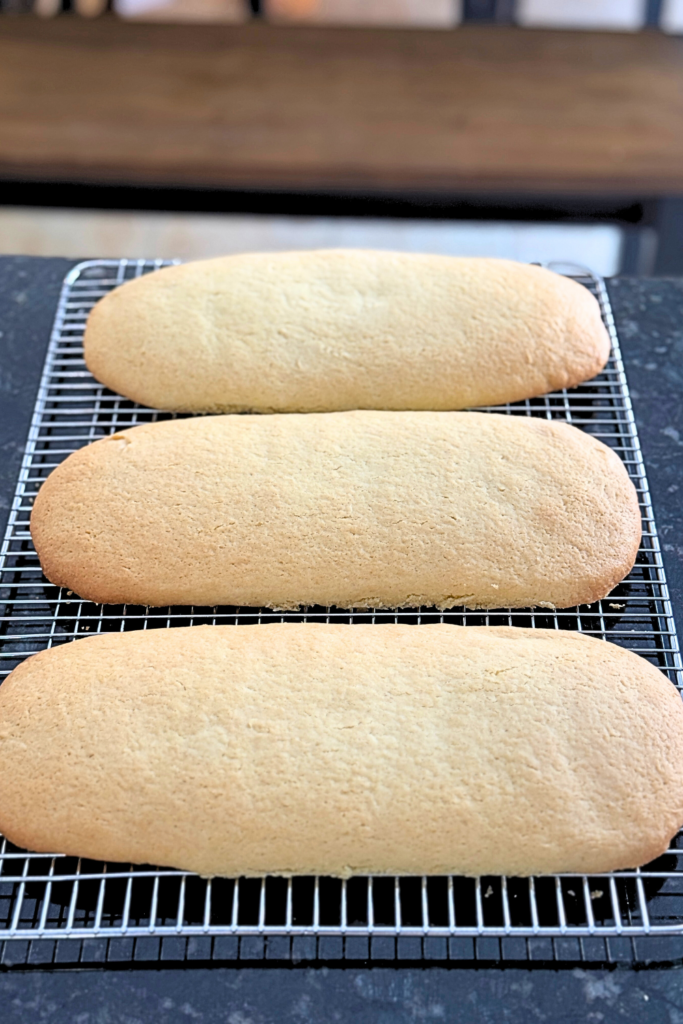
Using a metal spatula, gently loosen each loaf from the baking sheet and transfer to a cooling rack for 2 minutes.
When cool enough to handle, transfer to a cutting board and slice on the diagonal into 3/4″ thick slices with a serrated knife.
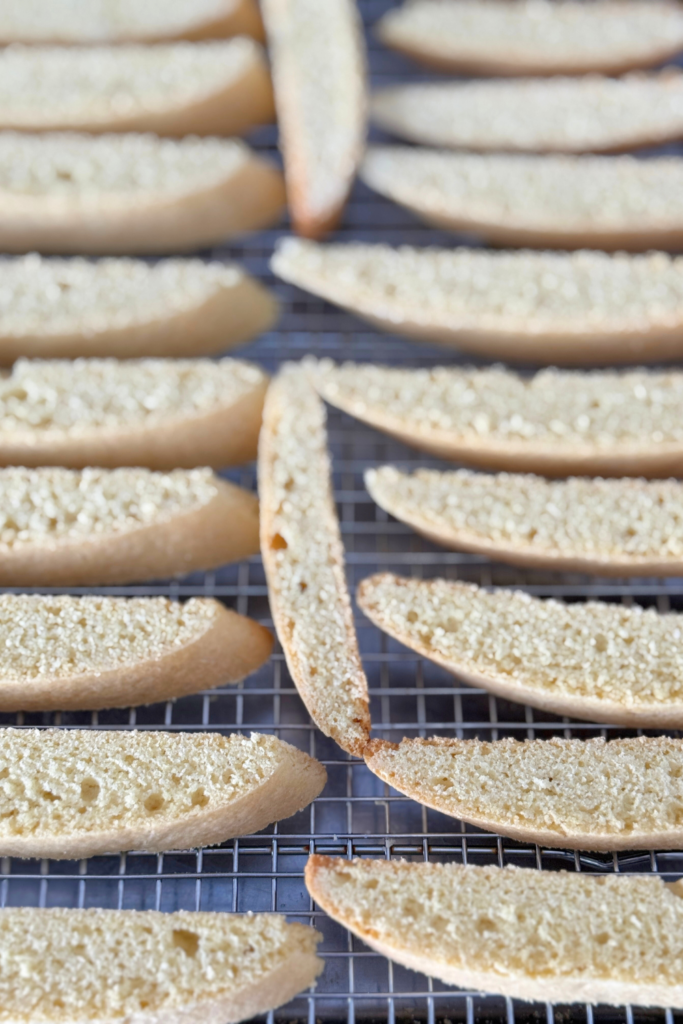
Turn each biscotti on its side and place on a wire baking/cooking rack. Place under the broiler (low setting) and toast both sides until lightly golden and crisp – usually about 7 or 8 minutes on each side. Watch them closely.
Allow the biscotti to cool completely before storing.
Storage & Freezing
Store biscotti in an airtight container at room temperature for up to 4 weeks. Because biscotti are baked twice, they stay fresh longer than most cookies.
Biscotti freeze very well. Allow the cookies to cool completely, then place them in freezer bags or airtight containers. They will keep for up to three months.
To serve, thaw at room temperature.
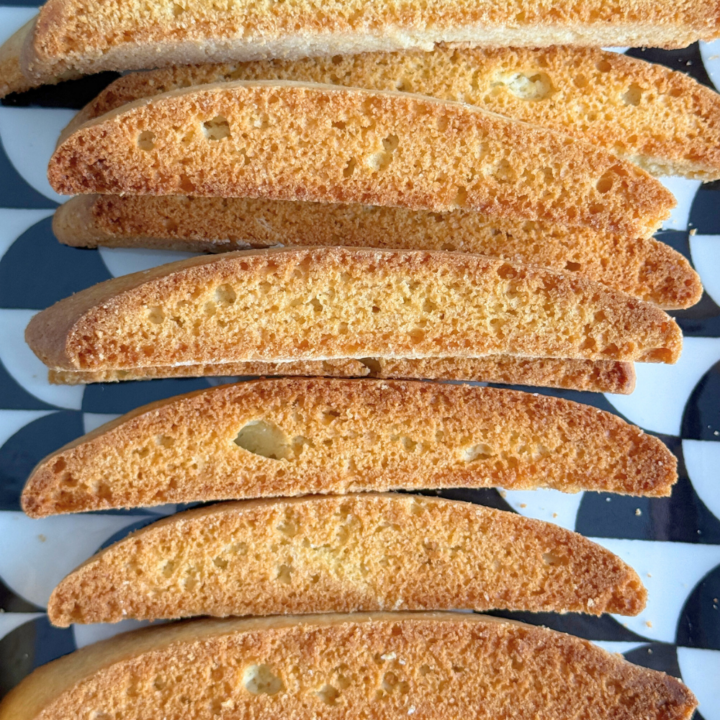
Authentic Italian Anise Biscotti (100-Year-Old Recipe)
Authentic Italian anise biscotti from a 100-year-old family recipe, flavored with anise oil and baked twice for the classic crisp biscotti texture.
Ingredients
- 5 cups flour
- 1 teaspoon salt
- 3 teaspoons baking powder
- 1/2 teaspoon baking soda
- 6 eggs
- 2 cups sugar
- 1 cup vegetable oil
- 1 teaspoon anise oil
- 1/4 cup milk
Instructions
- Preheat the oven to 350°F. Lightly oil two baking sheets.
- In a medium-sized bowl, whisk together the flour, salt, baking powder, and baking soda until well combined.
- In the bowl of a stand mixer (with the paddle attachment), beat the eggs, sugar, milk, and oil together on medium speed until well combined.
- Mix in the anise oil on low speed.
- Still on low speed, add the flour mixture a little at a time until a smooth, sticky dough forms.
- On a floured surface, divide the dough into 6 equal portions with a bench scraper. Use the scraper to lift the edges of the dough portions up and over to form rough balls.
- Transfer one portion at a time to an oiled baking sheet.
- Shape into a horizontal loaf about 8 inches by 3 inches. Gently flatten to about 1" thickness. Repeat for each portion, placing each loaf 3" apart - they will spread a little bit. I would not put more than 3 per baking sheet.
- Bake at 350°F on the middle racks for 25 minutes, rotating and switching the baking sheets halfway through baking.
- Remove the loaves from the oven when the edges are lightly browned, and there is light springback when pressed.
- Using a metal spatula, gently loosen each loaf from the baking sheet and transfer to a wire cooling rack for 2 minutes.
- When able to be safely handled, transfer to a cutting board and slice on the diagonal into 3/4" thick slices with a serrated knife.
- Turn each biscotti on its side and place on a wire rack. Place under the broiler (low setting) and toast both sides until lightly golden and crisp - usually about 7 or 8 minutes on each side. Watch them closely.
- Allow the biscotti to cool completely before storing.
Storage & Freezing:
Store biscotti in an airtight container at room temperature for up to 4 weeks. Because biscotti are baked twice, they stay fresh longer than most cookies.
Biscotti freeze very well. Allow the cookies to cool completely, then place them in freezer bags or airtight containers. They will keep for up to three months.
To serve, thaw at room temperature.
Recommended Products
This post may contain affiliate links, which means I may make a small commission at no extra cost to you.