Dandelion Tincture
Last Updated on May 8, 2026 by Kiersten James
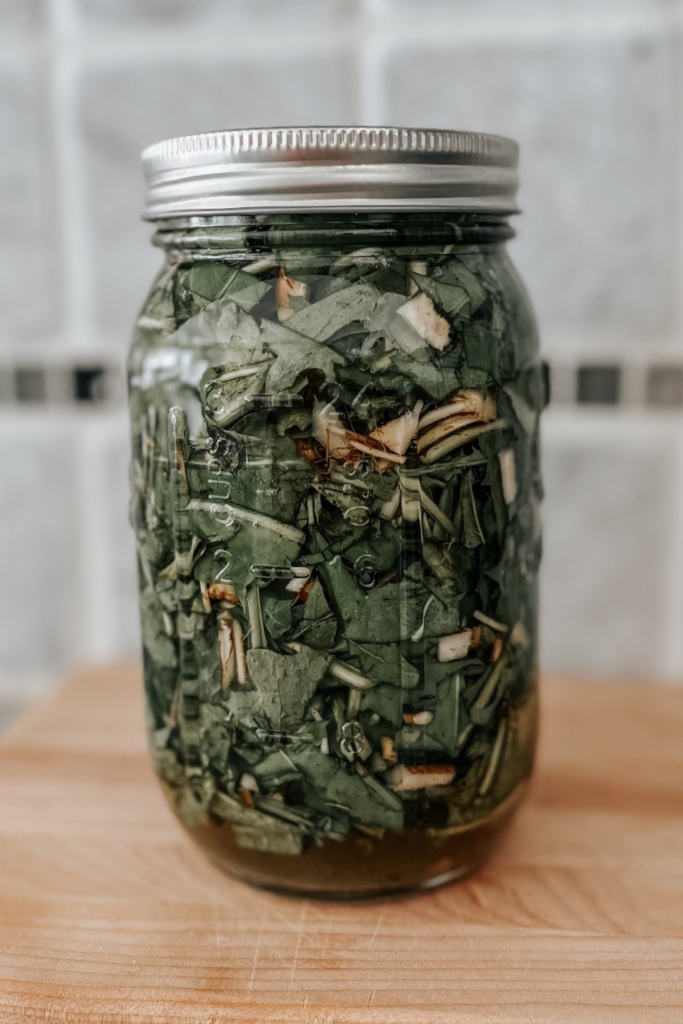
This homemade dandelion tincture is one of the easiest herbal remedies to make at home using fresh dandelion root or flowers and vodka for a simple old-fashioned herbal extract.
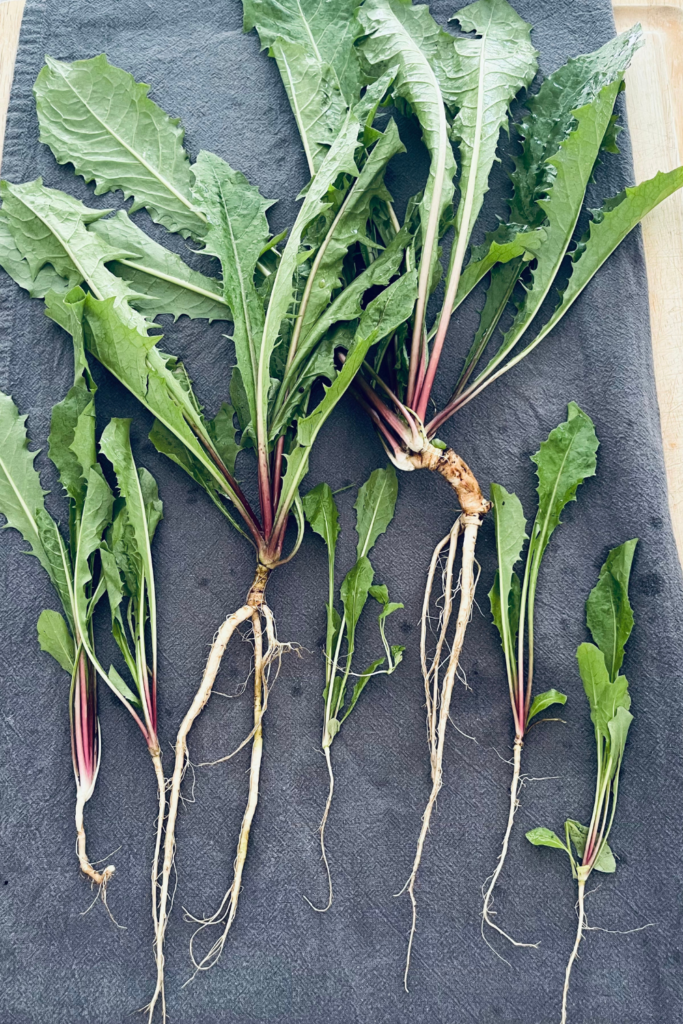
There’s a really good chance dandelions are already growing somewhere in your yard right now.
Most people spray them, mow over them, or fight to get rid of them every spring, but dandelions have been used in traditional herbal practices for generations.
Long before high-end wellness powders and expensive supplements showed up everywhere, people were digging dandelion roots straight out of the ground and turning them into teas, tinctures, salves, and bitter tonics for digestion and overall wellness.
This homemade dandelion tincture is one of the simplest herbal preparations you can make at home, even if you’re completely new to herbalism.
I especially love making this in spring when the yard is overflowing with flowers and the roots are fresh and easy to dig up after a good rain.
It feels old-fashioned in the best possible way and is a good reminder that some of the most useful herbs are the ones growing right under our feet.
Why People Use Dandelion Tincture
Dandelion has a LONG history in traditional herbalism, especially dandelion root.
The bitter compounds naturally found in dandelion root are used to help stimulate digestion and bile production. Herbalists have also long used it as a gentle liver-supporting herb and mild natural diuretic.
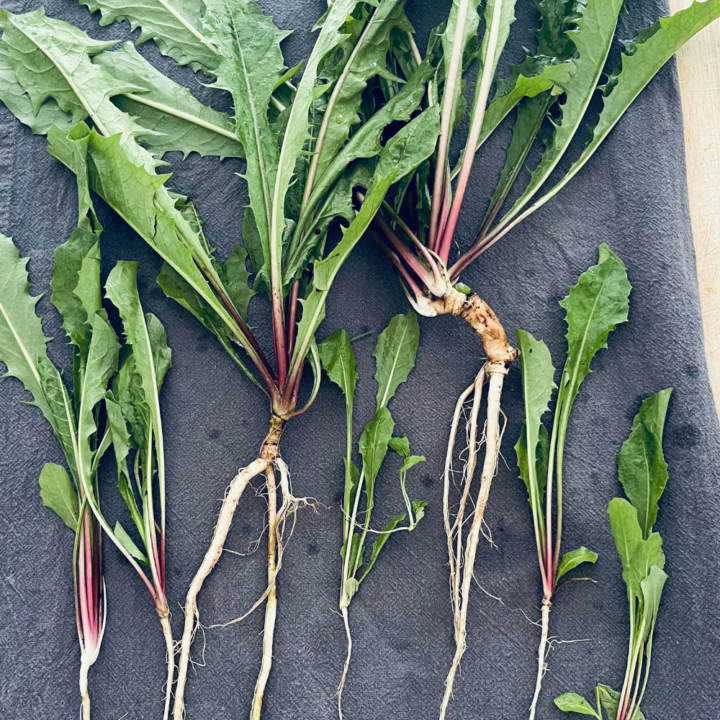
The leaves, flowers, and roots all have different uses, but tinctures are most commonly made with the roots.
Many people like to use dandelion tincture:
Dandelion also naturally contains antioxidants and prebiotic compounds like inulin.
That said, I always think it’s important to stay practical and grounded when dealing with herbs. Dandelion isn’t magic, and it’s not going to “detox” your body overnight. Your liver and kidneys already do that naturally.
BUT herbs like dandelion have been traditionally used for generations to support those normal processes.
Dandelion roots support the liver by helping it not only function, but also cleanse and run more efficiently. It’s a well-known liver detox which leaves you feeling clean and active.
What Part of the Dandelion to Use
You can technically make tinctures from the flowers, leaves, and roots. For a traditional dandelion tincture, the root is usually preferred.
Dandelion Root
As stated above, this is the most common choice for tinctures. The root is earthy, bitter, and associated with digestive and liver support.
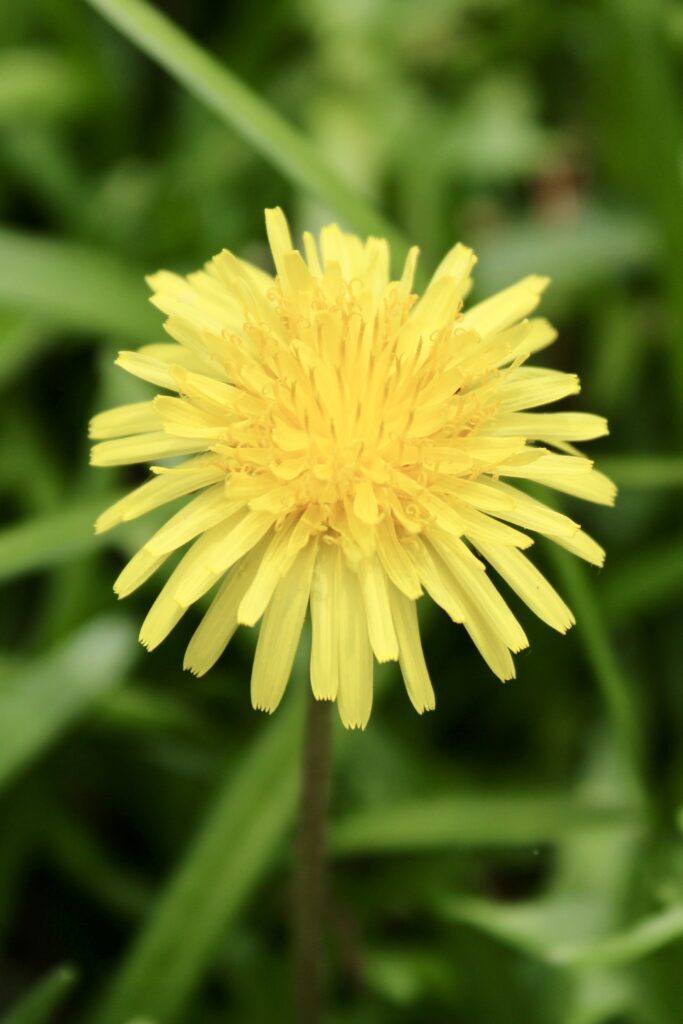
Dandelion Flowers
The flowers are often used more in oils, salves, infused honeys, and skincare recipes. (I’ll be linking my homemade dandelion salve recipe here once it’s live because the flowers are SO GOOD for skin preparations.)
Dandelion Leaves
The leaves are often used fresh in salads or dried for tea. They’re naturally nutrient-dense and associated with helping to maintain a healthy fluid balance.
Fresh vs Dried Dandelion Root
You can use either. Fresh root is extremely common in homemade tinctures like mine because dandelions are easy to forage during spring and fall.
If using fresh root:
- Wash them very well
- Scrub away dirt completely
- Chop them finely before adding to the jar
If using dried root:
- It stores longer
- The measurements are more predictable
- There’s less water content in the jar
I personally prefer fresh root when the yard is full of dandelions because it feels like part of our rhythm of spring, but if you already have access to bulk dried dandelion root, you can absolutely use that instead.
Tips for Best Results
- Harvest roots after a good rain when the soil is softer
- Use clean pesticide-free plants only
- Keep the roots fully submerged during infusion
- Label the jar with the date
- Store finished tincture away from direct sunlight
- Shake the jar regularly during infusion weeks
Important Safety Notes Before Harvesting
Never harvest dandelions:
Only harvest from clean areas you trust.
As always, herbs can interact with medications or medical conditions. Dandelion may not be appropriate for everyone, especially people with gallbladder issues, certain kidney conditions, or people taking some medications.
If you’re pregnant, breastfeeding, managing a medical condition, or taking prescription medications, it’s important to talk with your healthcare provider before using herbal preparations regularly.
How to Make Homemade Dandelion Tincture
Supplies:
- Clean glass jar with a lid
- Knife and cutting board
- Fine mesh strainer or cheesecloth
- Amber dropper bottles for storage
Ingredients:
- 1 cup chopped fresh dandelion root (or 1/2 cup dried root)
- Enough vodka to fully cover the herbs
Instructions:
Step 1: Clean the Roots
Wash the roots extremely well. Dandelions grow deep into the soil and hold onto dirt surprisingly well.
I usually soak them first, scrub them, then rinse several times.
Step 2: Chop the Roots
Roughly chop the cleaned roots into small pieces. This helps expose more surface area to the alcohol.
Step 3: Fill the Jar
Add the root to a clean glass jar.
If using fresh root, fill the jar about halfway.
If using dried root, fill it about one-third full since dried herbs expand.
Step 4: Add Alcohol
Pour vodka over the roots until completely submerged by at least an inch.
Use a clean spoon to remove air bubbles if needed.
Step 5: Seal and Store
Place the lid on tightly and store the jar in a cool, dark place.
Shake it every few days.
Step 6: Let It Infuse
Allow the tincture to infuse for about 4–6 weeks.
Step 7: Strain
Strain through cheesecloth or a fine mesh strainer into a clean bowl or measuring cup.
Pour into amber dropper bottles for storage.
Can You Use Grain Alcohol Instead of Vodka?
Yes. Grain alcohol like Everclear can be used for homemade tinctures, especially for roots and tougher herbs.
Since it’s much stronger than vodka, you need to dilute it with filtered water before using it for herbal preparations.
Vodka is often the easiest option for beginners because the alcohol percentage is already appropriate for most homemade tinctures without needing adjustments.
How Long Does Dandelion Tincture Last?
Because it’s alcohol based, a homemade tincture stores very well. When kept in a cool, dark place, it should last several years.
Amber bottles also help protect it from light exposure.
How People Traditionally Use Dandelion Tincture
Traditional herbal use varies widely, but many people use small amounts diluted into:
- Water
- Tea
- Sparkling water
- Herbal mocktails
Because dandelion root is naturally bitter, a little goes a long way.
What Does Dandelion Tincture Taste Like?
Not great lol. It’s very earthy and very bitter.
If you’ve ever had strong herbal bitters or roasted dandelion tea, it’s somewhat similar.
The bitterness is actually part of why many traditional herbalists value it for digestion. Bitter herbs have historically been used before meals to help stimulate digestive processes.
Dandelion Tincture vs Tea
A lot of people ask this, and I honestly think it’s a very valid question.
Tea is made quickly (in minutes), by steeping herbs in hot water.
A tincture is more concentrated and shelf-stable because alcohol extracts and preserves the plant compounds over time, usually several weeks.
I personally like having both around, depending on the uses and what I’m prone to making.
Dandelion Tincture
This easy homemade dandelion tincture is made with fresh dandelion root or flowers and vodka for a simple old-fashioned herbal extract.
Ingredients
- 1 cup chopped fresh dandelion root (or 1/2 cup dried root)
- Enough vodka to fully cover the herbs
Instructions
Step 1: Clean the Roots
Wash the roots extremely well. Dandelions grow deep into the soil and hold onto dirt surprisingly well.
I usually soak them first, scrub them, then rinse several times.
Step 2: Chop the Roots
Roughly chop the cleaned roots into small pieces. This helps expose more surface area to the alcohol.
Step 3: Fill the Jar
Add the root to a clean glass jar.
If using fresh root, fill the jar about halfway.
If using dried root, fill it about one-third full since dried herbs expand.
Step 4: Add Alcohol
Pour vodka over the roots until completely submerged by at least an inch.
Use a clean spoon to remove air bubbles if needed.
Step 5: Seal and Store
Place the lid on tightly and store the jar in a cool, dark place.
Shake it every few days.
Step 6: Let It Infuse
Allow the tincture to infuse for about 4–6 weeks.
Step 7: Strain
Strain through cheesecloth or a fine mesh strainer into a clean bowl or measuring cup.
Pour into amber dropper bottles for storage.