Beginner’s Guide to Diffusing Essential Oils (Tips, Cleaning, and Troubleshooting)
Last Updated on February 20, 2026 by Kiersten James
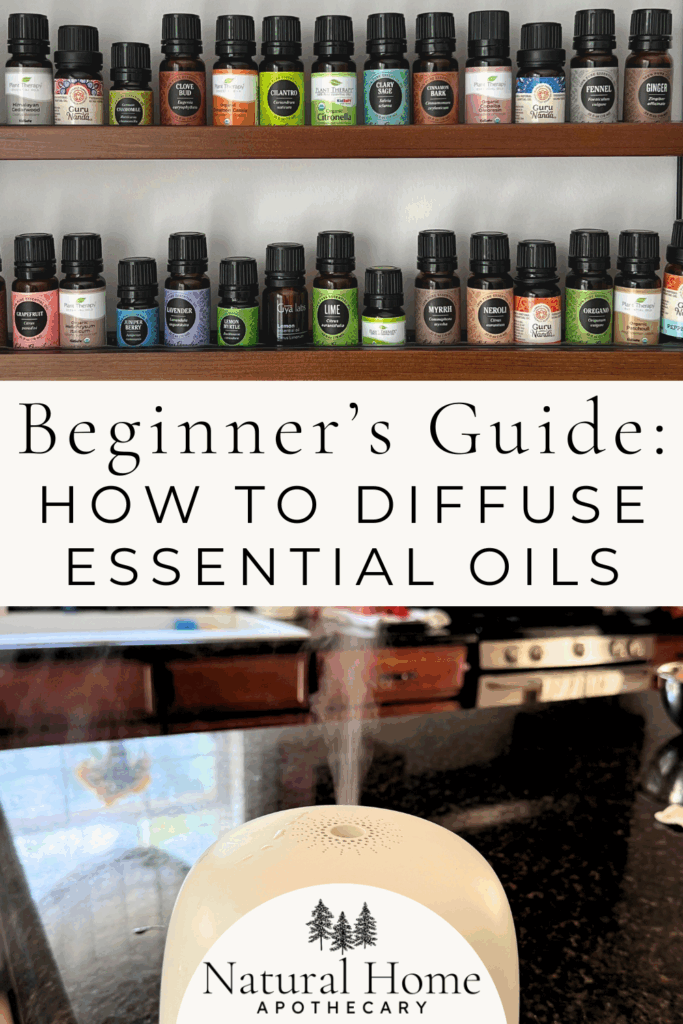
New to essential oils? This beginner’s guide to diffusing essential oils covers everything you need to know, including the best diffuser types, how many drops to use, safety tips, cleaning instructions, and easy troubleshooting.

The Ultimate Beginner’s Guide to Diffusing Essential Oils
If you’ve ever walked into someone’s house and instantly felt relaxed because it smelled like lavender and lemon, there’s a good chance they were using an essential oil diffuser. It’s one of the easiest, fastest ways to bring a little calm, clarity, or clean-scented freshness into your home without synthetic chemicals or overpowering sprays.
If you’re new to natural living, don’t worry. We all start somewhere. This guide will walk you through everything you need to know about using essential oils in a diffuser, from what type of diffuser to buy to how many drops to use, and what to do when your diffuser starts acting up.
What is a Diffuser and Why Do People Use Them?
A diffuser is a small device that disperses essential oils into the air in tiny vapor particles, allowing your whole room to smell like fresh citrus, clean peppermint, or calming herbs.
For mamas with kids, anyone with pets, or folks trying to cut down on synthetic fragrances, an essential oil diffuser is one of the best tools you can keep on the counter.
Benefits of Pure Essential Oils:
- Promote better sleep
- Help you deepen and maintain focus
- Support immune function (great for back to school germs)
- Reduce stress and anxiety
- Eliminate lingering kitchen odors (I’m looking at you, chicken cutlets)
Types of Diffusers (and which one to start with)
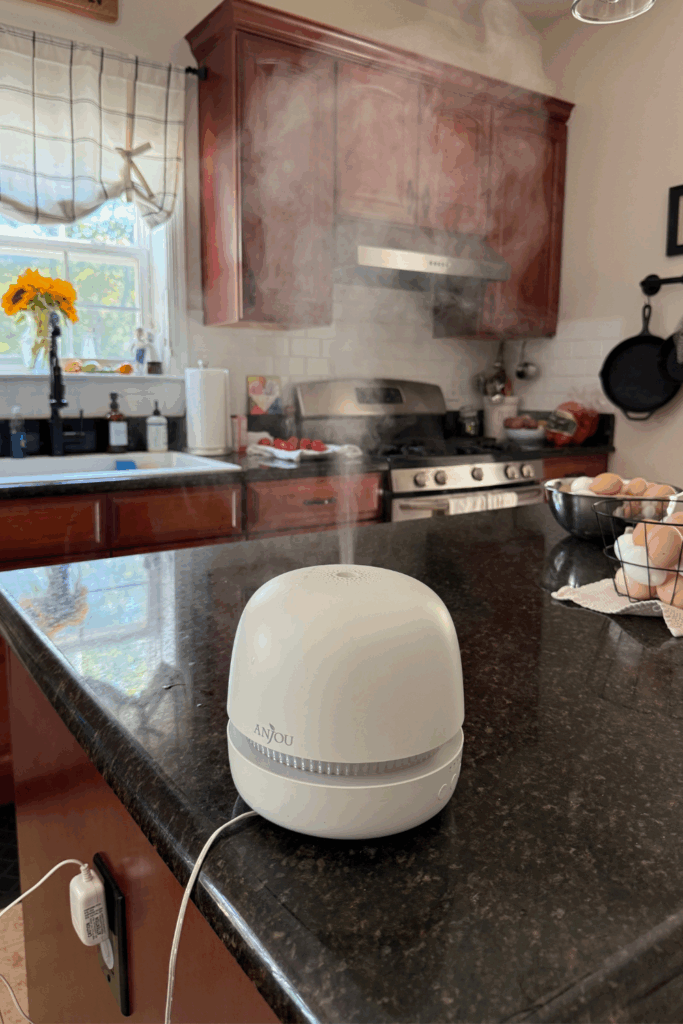
There are four main types of essential oil diffusers, but only one is best for beginners.
Ultrasonic Diffuser
This is the most common and budget-friendly type of diffuser. It uses water and ultrasonic vibrations to create a fine mist that carries the essential oil into the air.
Pros: Quiet, inexpensive, doubles as a mini humidifier
Cons: Needs regular cleaning, essential oils are slightly diluted
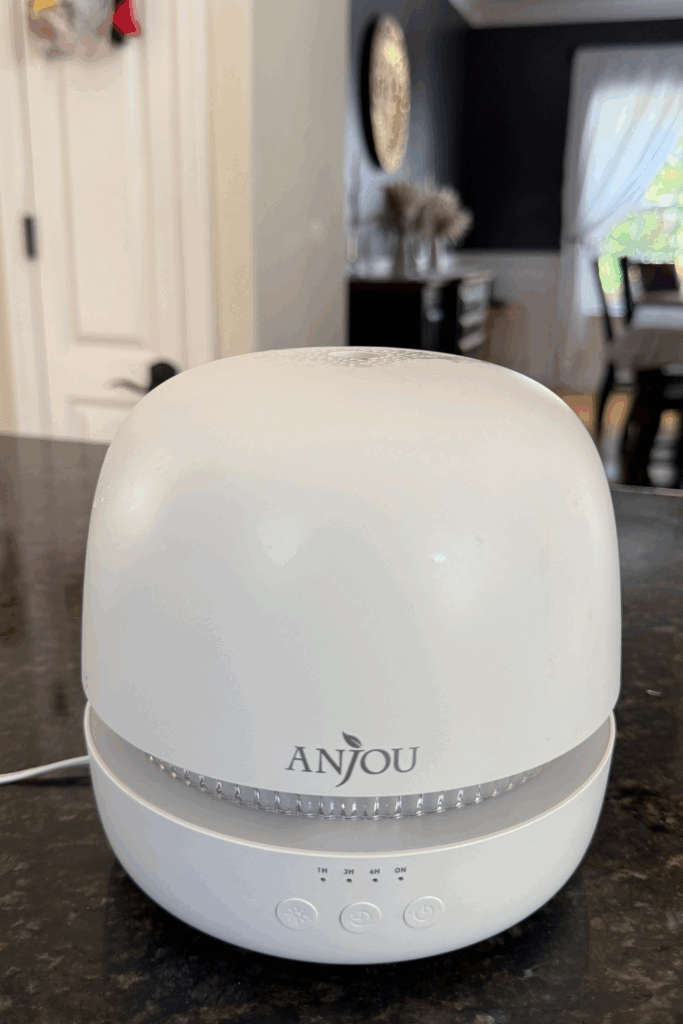
This is the one I have and my favorite for beginners. They’re easy to use and very safe.
Nebulizing Diffuser
This type does not use water. Instead, air pressure is used to disperse pure essential oils.
Pros: Strong aroma, no dilution, works fast
Cons: Pricey, uses more oil quickly, can be noisy
Great for large spaces or therapeutic use, but not necessary for everyday diffusing.
Evaporative Diffuser
Uses a fan and a pad or wick to evaporate the oil into the air.
Pros: Simple, portable
Cons: Not as strong or consistent
Okay in small spaces like closets or cars, but not ideal for main living areas.
Heat Diffuser
Uses heat (like a candle or warming plate) to evaporate the essential oils.
Pros: Silent, often pretty
Cons: Can alter the oil’s chemical structure, not as therapeutic
I don’t recommend these at all if you’re using oils for health benefits.
How to Use an Ultrasonic Diffuser (Step-by-Step)
If you’ve just pulled your diffuser out of the box and aren’t sure where to begin, here’s the rundown:
- Place your diffuser on a flat, safe surface. Keep it away from electronics and windows.
- Add clean, room temperature water to the fill line. Use filtered water if you have hard water.
- Add your essential oils. Start with 3 to 5 drops per 100 mL of water. You can always add more if the scent is too faint, but start slow – especially around babies or pets.
- Plug it in and press start. Most diffusers have a few settings, like continuous, intermittent, or light on/off.
- Let it run and enjoy! Typical run time is 1 to 6 hours, depending on the model.
How Long Should You Diffuse Essential Oils?
A good rule of thumb is to diffuse for 30 to 60 minutes at a time, especially when first starting out. For small rooms or when kids are present, less is more. You can always diffuse again later.
If you’re diffusing all day (like during cold and flu season), use the intermittent mode so it cycles on and off.
How to Choose the Right Essential Oils for Diffusing
Here are a few beginner-friendly oils to keep in your cabinet:
- Lavender: calming, sleep support, great with little ones
- Lemon: energizing, air purifying, perfect for kitchens or bathrooms
- Peppermint: headache relief, improves focus (not for use with babies!)
- Eucalyptus: clears airways, great during cough and cold season
- Orange: uplifting, mood booster, great for late afternoons
For a quick blend, try lavender + orange before bed or lemon + peppermint in the mornings.
Make sure you’re using 100% pure essential oils (NOT fragrance oils) and always research safety info if you’re diffusing around children or pets.
Troubleshooting: When Your Diffuser Isn’t Working Right
If your diffuser is spitting water, not misting well, or making weird noises, here are some quick things to check:
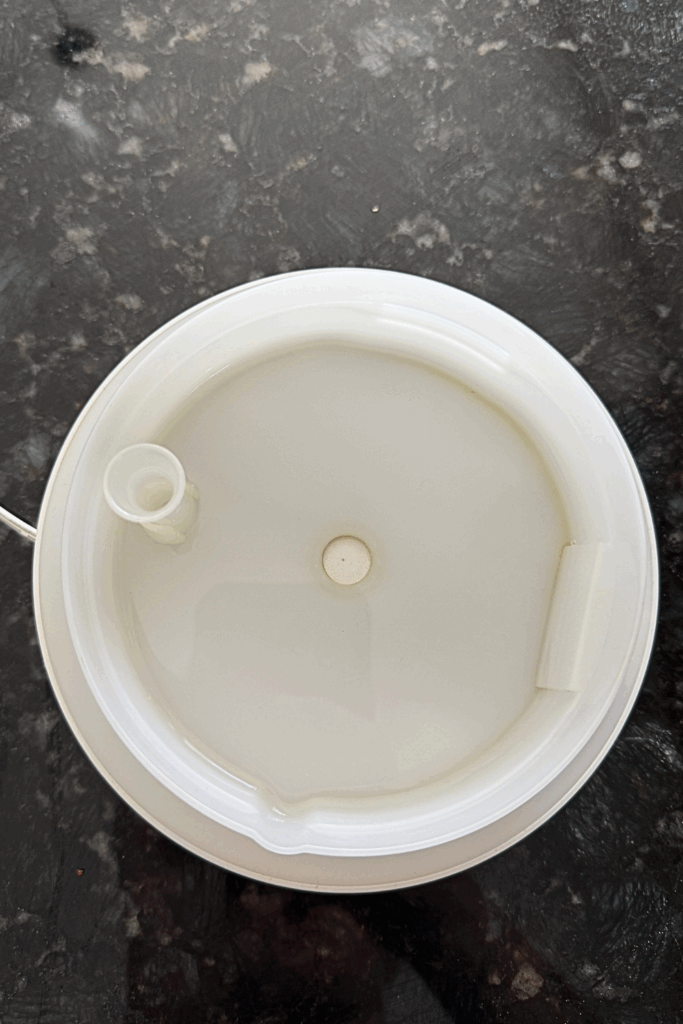
y diffuser before I gave it a good cleaning. The ultrasonic plate is the tiny circle in the middle.
- It won’t turn on: check the outlet, the plug, and make sure you haven’t overfilled the water.
- Weak or no mist: you may need to clean the ultrasonic plate at the bottom. Oils can build up over time and block the vibration.
- Strange smell or residue: old oils may be lingering. See the instructions below.
- Gurgling or leaking: check the lid – some models must be positioned exactly right.
If you’ve tried cleaning and it’s still not working, it might be time for a replacement. Most budget diffusers last 1 to 2 years with daily use.
How to Clean Your Essential Oil Diffuser Properly
Keeping your diffuser clean is so important – especially if you switch oils frequently or use thick ones like patchouli or vetiver. Here’s what I do:
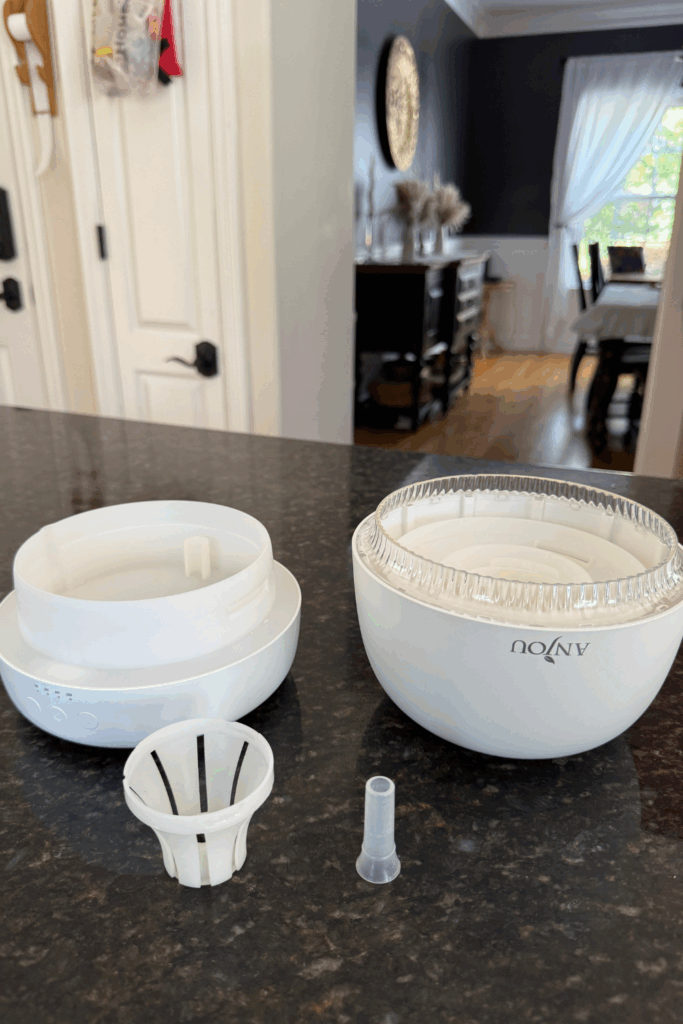
Quick Rinse (After Every Use)
- Empty the diffuser completely.
- Wipe out the inside with a clean cloth or paper towel.
- Let it air dry with the lid off.
Deep Clean (Once a Week or When Changing Oils)
- Fill the tank halfway with water.
- Add 1 teaspoon of isopropyl alcohol.
- Run the diffuser for 5 minutes.
- Dump the water and wipe down the inside thoroughly.
- Use a cotton swab dipped in alcohol to clean the ultrasonic plate at the bottom.
- Let everything dry thoroughly before using again.
Keep It Simple and Enjoy the Process
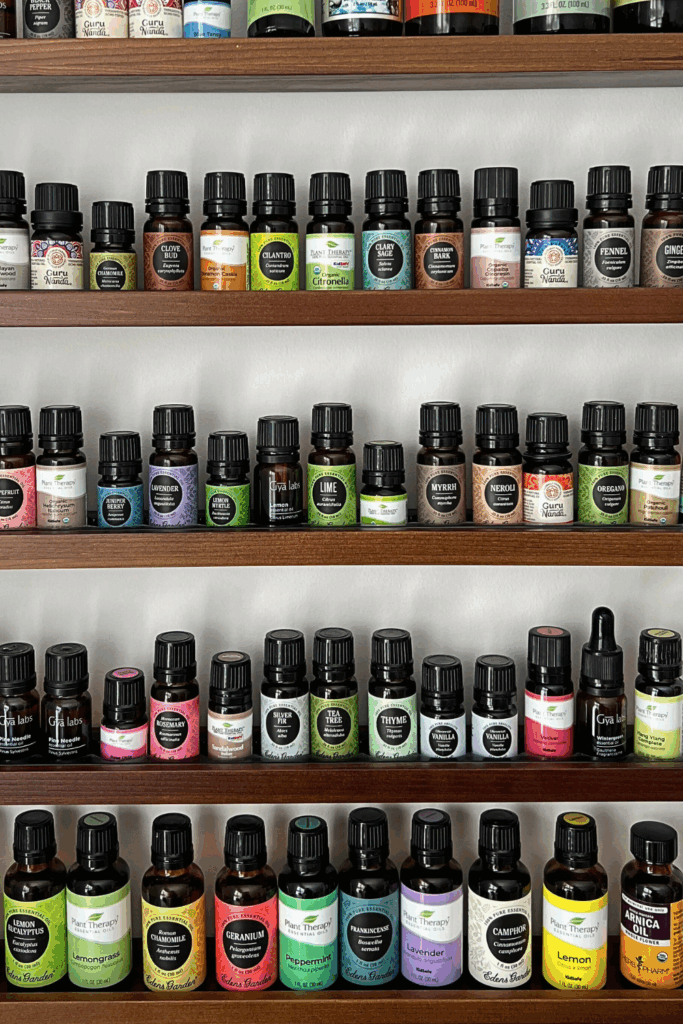
Start in one room, like your kitchen or bathroom, and build from there.
Whether you’re trying to cut down on candles and sprays, create a relaxing nighttime routine, or keep your family well through the seasons, diffusing essential oils is a great first step toward a healthier home.
YOU MIGHT ALSO LIKE
Essential Oil Roll On Blend for Cough Relief
DIY Hand Sanitizer Spray with Essential Oils
DIY Liquid Dish Soap That Actually Cuts Grease
Natural All Purpose Floor Cleaner (Smells AMAZING!)
Save It For Later!