Lemon Bars With Shortbread Crust
Last Updated on February 14, 2026 by Kiersten James
Learn how to make the best lemon bars with a thick crust, bright lemon filling, and clean slices using a simple bakery-style method.
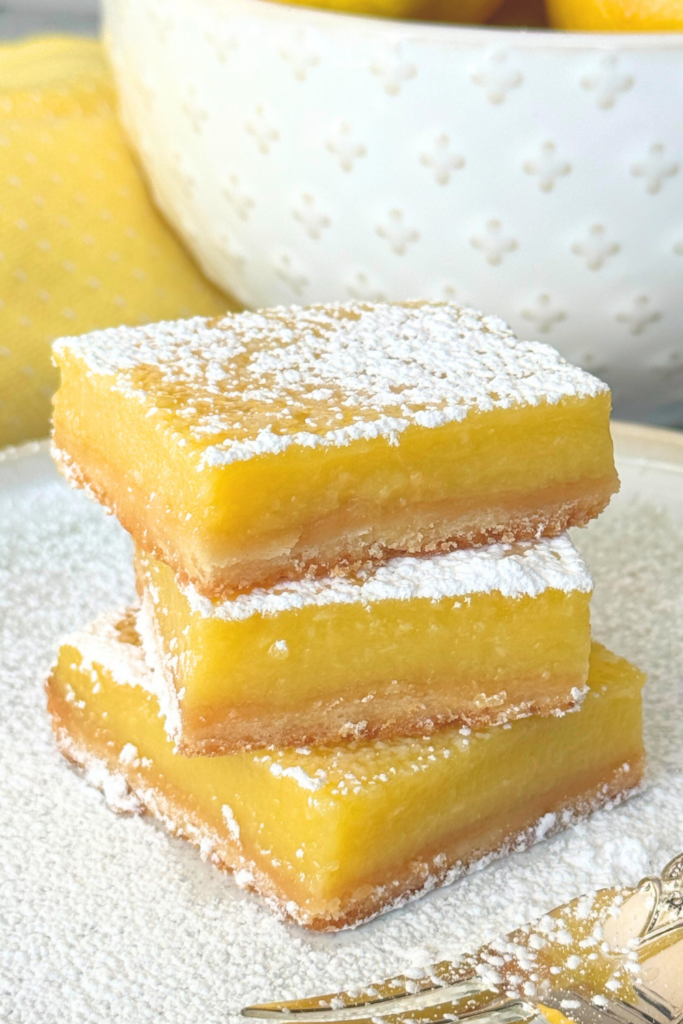
Lemon bars should be bright, balanced, and easy to slice BUT if you’ve ever tried to make them, you know they don’t always turn out that way.
Sometimes the filling is too thin, sometimes the crust falls apart, and sometimes the flavor just isn’t…right. It usually comes down to a few small details in the method.
This version keeps things simple and reliable.
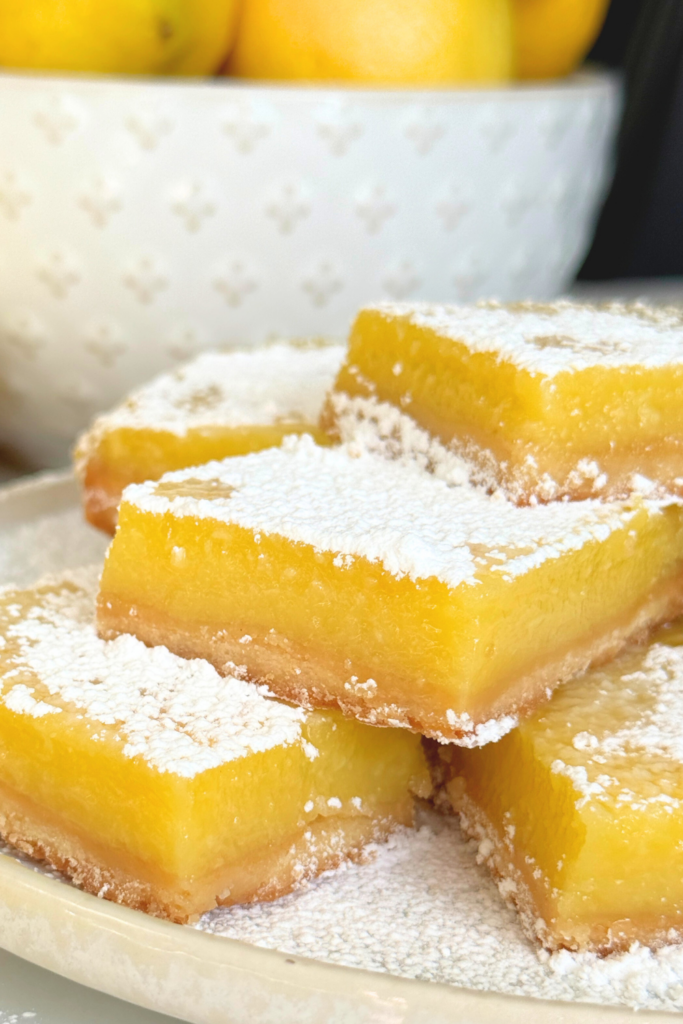
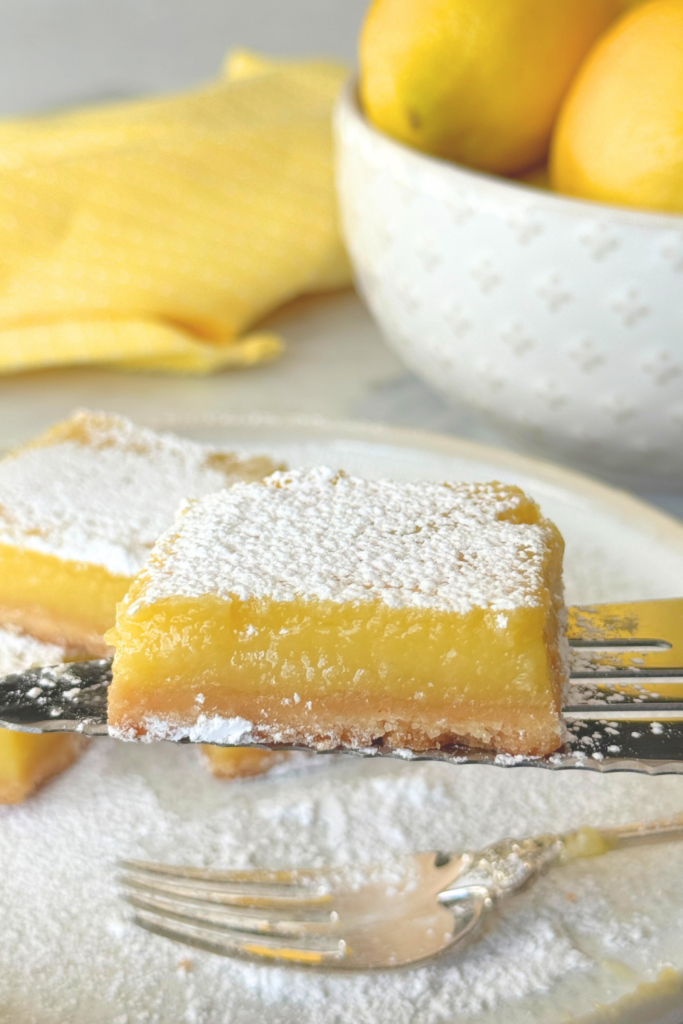
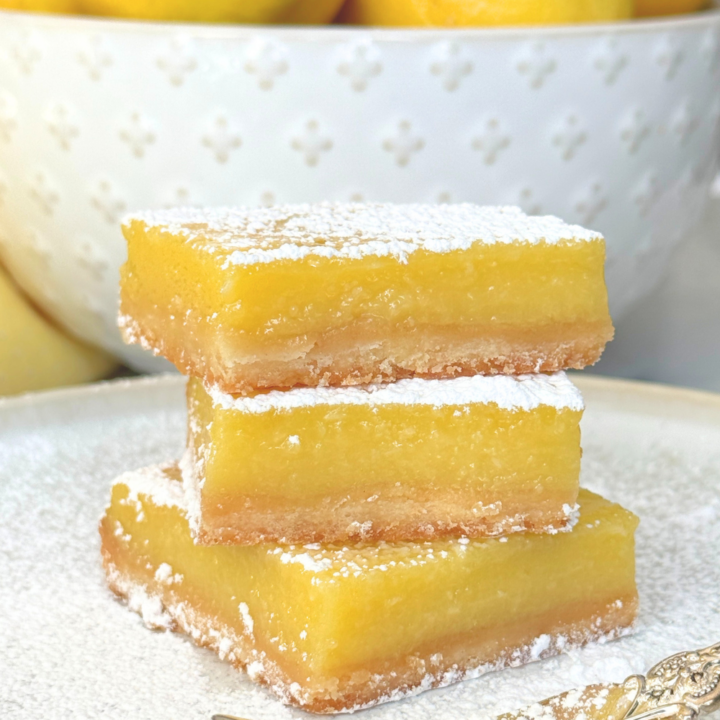
The crust is sturdy, the filling is smooth and citrusy, and the steps are easy enough that you end up with lemon bars that actually hold their shape in a real baking pan.
If you like desserts with clean layers and structure (like thick cookies or classic dessert bars) this recipe follows the same process without overcomplicating anything.
Why You’ll Love These
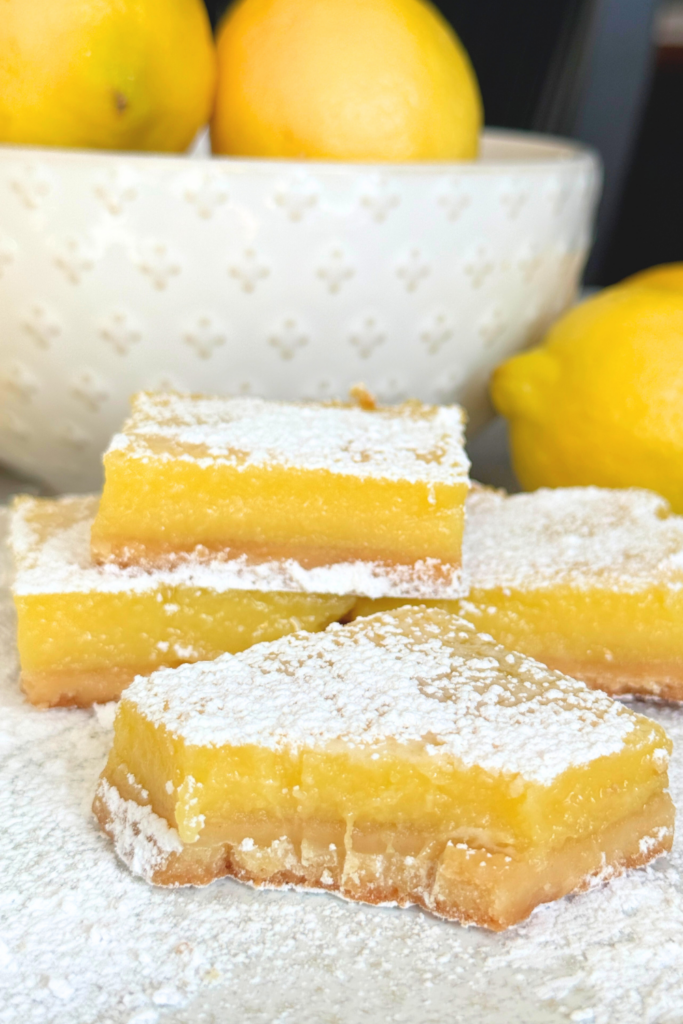
- They’re thick enough to slice clean without falling apart.
- Bright, beautiful yellow without being harsh.
- They work in a regular metal baking pan or a glass pan.
- They scale very easily if you’re making lemon bars for brunch or a holiday.
Ingredients You’ll Be Using:
Shortbread crust: The crust here is closer to shortbread than cookie dough, which is why it holds together instead of crumbling. Using confectioners’ sugar instead of granulated sugar keeps it tender and smooth rather than crunchy.
Confectioner‘s sugar: Powdered sugar in the crust changes the texture completely. It dissolves more evenly than regular sugar, so the crust bakes up soft and structured instead of gritty or brittle.
Eggs + 7 extra yolks: This is what makes the filling thick without turning rubbery. Whole eggs give structure, yolks add richness, and together they create a lemon layer that actually sets. I feel terrible throwing out 7 egg whites so I separate them into a mason jar and eat them for breakfast the next morning.
Fresh lemon juice: Lemon juice brings the acidity and brightness. Bottled juice just isn’t the same. You have to zest the lemons anyway, so no reason not to use up the juice.
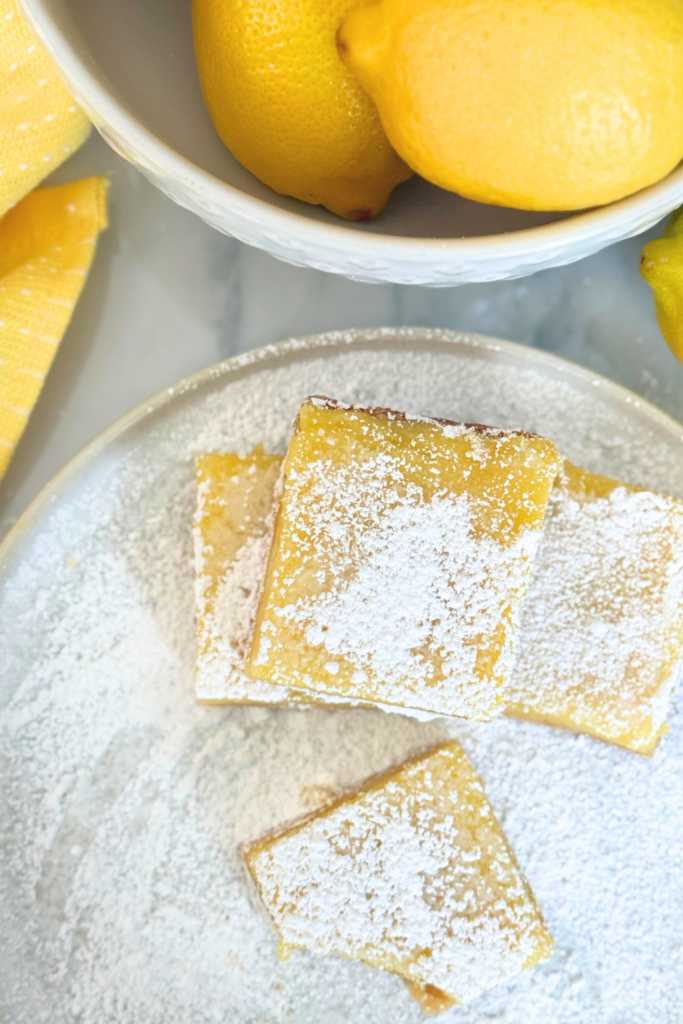
Lemon zest: Zest is where the real lemon flavor lives. Juice gives tang, but zest gives a whole extra dimension. Don’t skip this.
Butter: Butter in the filling softens the sharpness of the lemon and adds richness. Without it, the filling can taste harsh instead of balanced.
Heavy cream: A small amount of cream rounds out the acidity and smooths out the texture. It’s subtle, but one of the details that separates average lemon bars from bakery-level ones.
Powdered sugar topping: The powdered sugar on top isn’t just decorative, though it is pretty! It’s part of the classic lemon bar finish and balances all of the citrus with a light sweetness.
Pan Type & Recipe Doubling
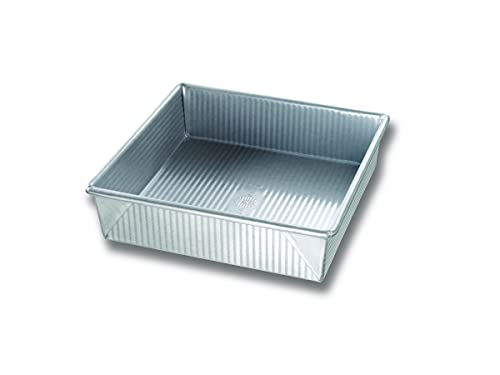
This recipe works in a standard metal baking pan or a glass pan. I use a metal one that I’ve had forever, and it works just fine.
If you’re making lemon bars for a crowd, double the recipe and bake it in a 9×13 pan. The method stays the same; the bake time will increase slightly by a few minutes.
How to Make Lemon Bars With Shortbread Crust
Equipment I Use:
- Food processor
- Medium saucepan
- Whisk
- 9×9 baking dish (9×13 if doubling)
- Mesh strainer
- Mixing bowl
- Aluminum foil
- Digital or candy thermometer
- Cooling rack
Ingredients:
Crust:
- 1 1/4 cups all-purpose flour
- 1/2 cup confectioners’ sugar
- 1/2 teaspoon salt
- 8 tablespoons unsalted butter, softened and cut into smaller pieces
Filling:
- 2 large eggs plus 7 large egg yolks
- 1 cup plus 2 tablespoons granulated sugar
- 1/4 cup grated lemon zest
- 2/3 cup fresh lemon juice (about 4 lemons)
- 1/8 teaspoon salt
- 4 tablespoons unsalted butter, cut into smaller pieces
- 4 tablespoons heavy cream
- Confectioners’ sugar, for garnish
Overview:
Set up your oven and pan: Move the rack to the middle and preheat the oven to 350°F. Line a 9×9 baking pan with foil so you can lift the bars out later.
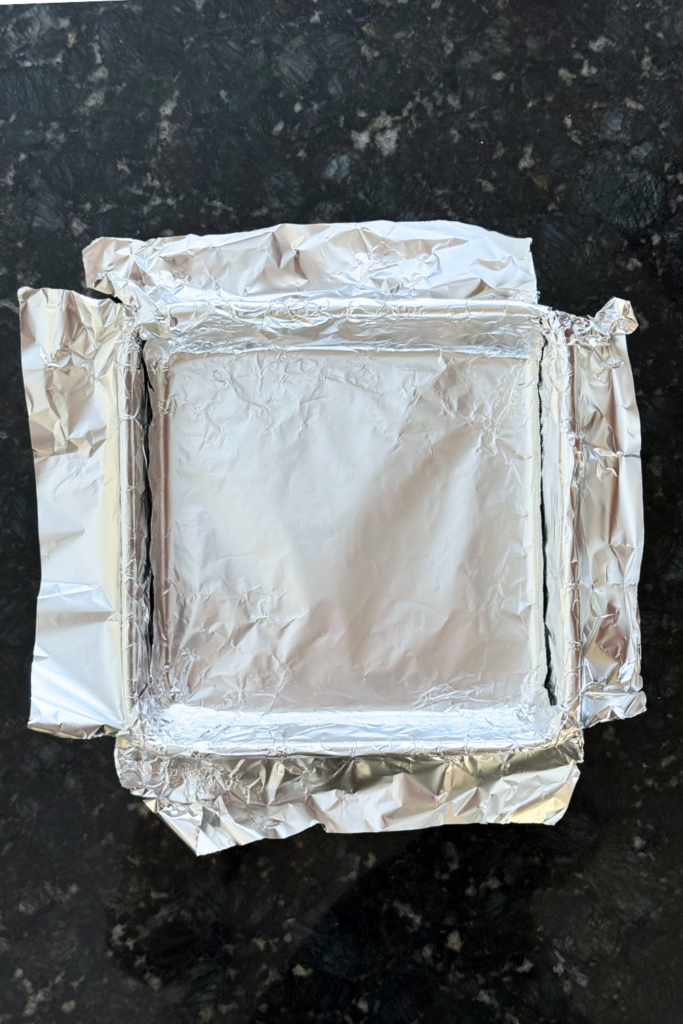
This is easiest if you use 2 pieces of foil and lay them criss-cross in the pan. Push the foil into the corners and smooth out the walls. Grease the foil so nothing sticks.
Make the crust: Combine the flour, confectioners’ sugar, and salt in a food processor. Run the processor for about 15 seconds to combine the ingredients.
Add the pieces of butter and pulse until the mixture looks sandy and pale, not doughy.
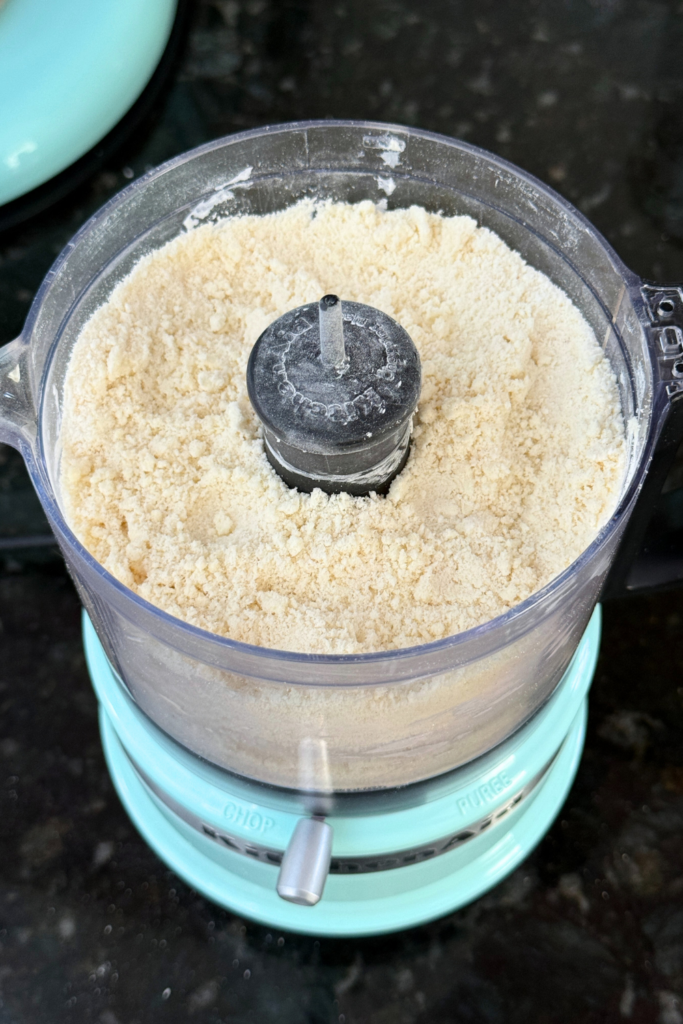
Press it firmly into the bottom of the pan in an even layer. Bake for 20 minutes, rotating the pan halfway through baking, until it just starts to turn lightly golden.
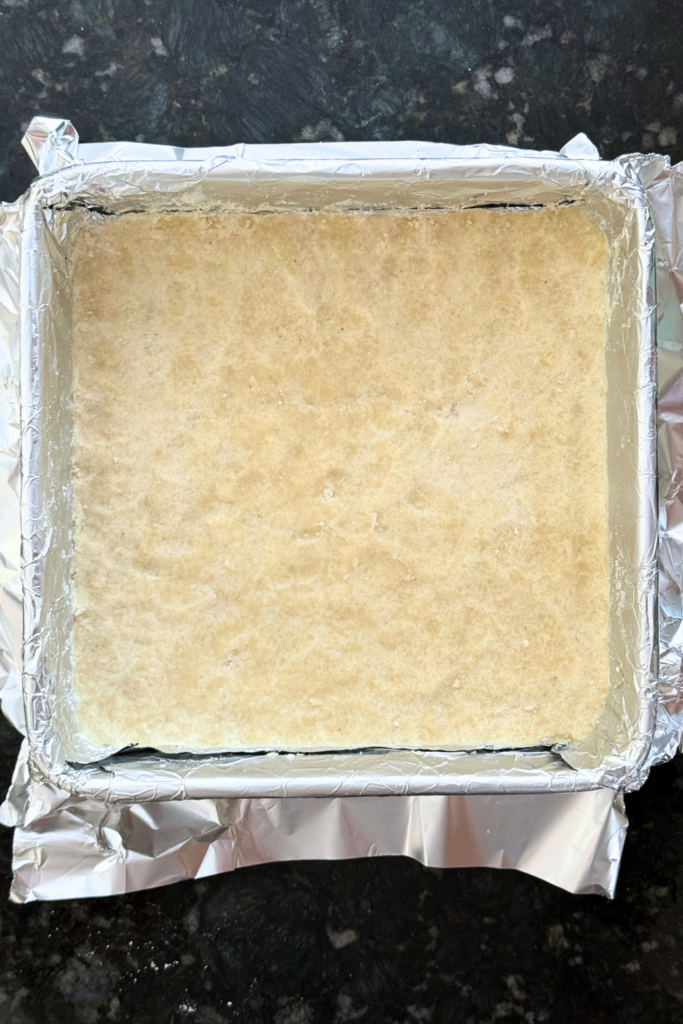
The crust should still be hot when the filling is poured in. (This is one of the things that separates the best lemon bars from average ones.)
Make the filling: While the crust bakes, make the filling on the stove. Don’t turn on the heat yet. Whisk the eggs and yolks together in a saucepan, then whisk in the sugar until smooth. Add the lemon zest, lemon juice, and salt.
Turn on the heat to medium-low, whisking constantly.
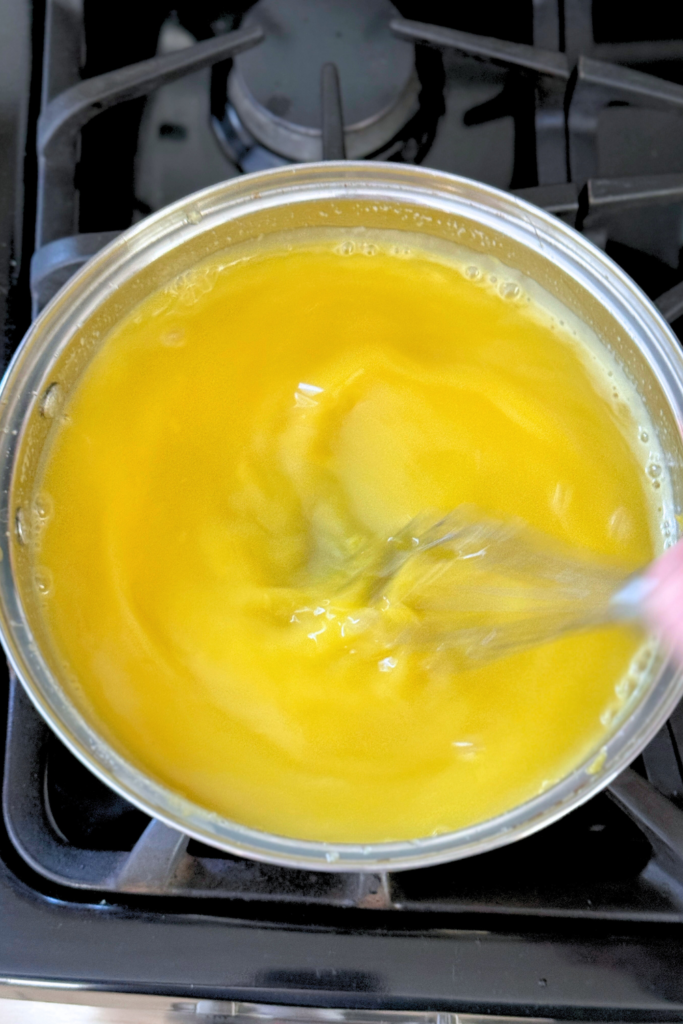
Whisk, whisk, and whisk some more until the mixture starts to thicken and reaches 170°F. It should look glossy, not scrambled. Remove the pan from the heat, stir in the butter until melted.
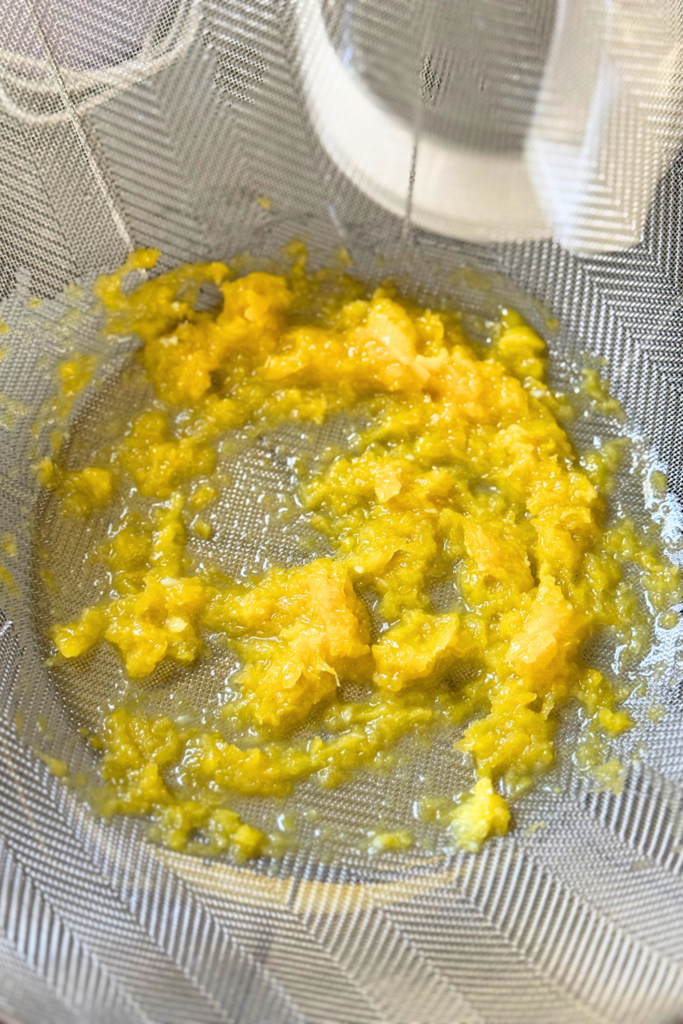
Strain and add the cream: Pour the filling mixture through a fine mesh strainer into a heat-safe bowl so the final filling is perfectly smooth. Stir in the heavy cream until combined.
Pour the filling over the hot crust: Pour the warm lemon filling directly over the hot crust and carefully return the pan to the oven. Bake until the top looks shiny and set, but the center still jiggles when you shake the pan
Cool & Slice: Place the baking pan on a wire rack and allow the bars to cool undisturbed for 2 to 3 hours. When completely cool, lift them out of the pan by the foil. Place a piece of parchment paper on a cutting board and transfer the baked square to the lined board.
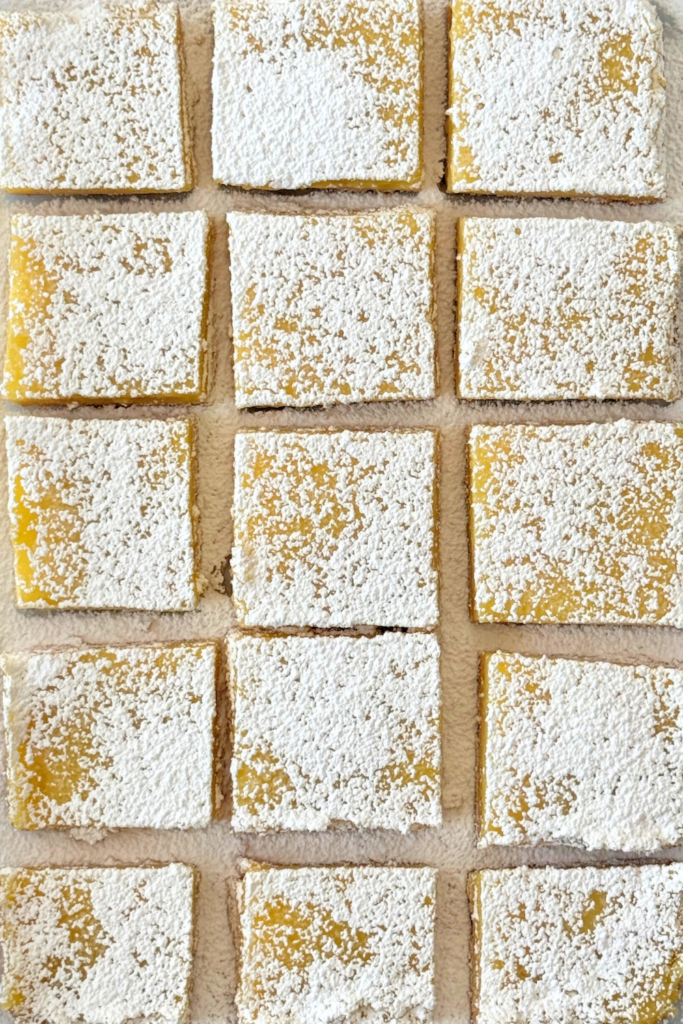
Using a very sharp knife, cut into squares by pushing the knife straight down – do not saw-cut or the crust will break. You can cut 9 or 12 squares, depending on how large you’d like them to be.
Do not dust with powdered sugar until right before serving.
Storage: Store the baked lemon bars in an airtight container in the refrigerator for up to 3 days. I use a 9×13 glass dish with a lid, lined with wax paper first. If nothing has a lid, you can wrap the dish well with plastic wrap for the same effect.
Lemon Bars With Shortbread Crust
Learn how to make the best lemon bars with a thick crust, bright lemon filling, and clean slices using a simple bakery-style method.
Ingredients
Crust:
- 1 1/4 cups all-purpose flour
- 1/2 cup confectioners’ sugar
- 1/2 teaspoon salt
- 8 tablespoons unsalted butter, softened and cut into smaller pieces
Filling:
- 2 large eggs plus 7 large egg yolks
- 1 cup plus 2 tablespoons granulated sugar
- 1/4 cup grated lemon zest
- 2/3 cup fresh lemon juice (about 4 lemons)
- 1/8 teaspoon salt
- 4 tablespoons unsalted butter, cut into smaller pieces
- 4 tablespoons heavy cream
- Confectioners’ sugar, for garnish
Instructions
Set up your oven and pan: Move the rack to the middle and preheat the oven to 350°F. Line a 9x9 baking pan with foil so you can lift the bars out later.
This is easiest if you use 2 pieces of foil and lay them criss-cross in the pan. Push the foil into the corners and smooth out the walls. Grease the foil so nothing sticks.
Make the crust: Combine the flour, confectioners’ sugar, and salt in a food processor. Run the processor for about 15 seconds to combine the ingredients.
Add the pieces of butter and pulse until the mixture looks sandy and pale, not doughy. Press it firmly into the bottom of the pan in an even layer.
Bake for 20 minutes, rotating the pan halfway through baking, until it just starts to turn lightly golden. The crust should still be hot when the filling is poured in. (This is one of the things that separates the best lemon bars from average ones.)
Make the filling: While the crust bakes, make the filling on the stove. Don't turn on the heat yet. Whisk the eggs and yolks together in a saucepan, then whisk in the sugar until smooth. Add the lemon zest, lemon juice, and salt.
Turn the heat to medium-low, whisking constantly. Whisk, whisk, and whisk some more until the mixture starts to thicken and reaches 170°F. It should look glossy, not scrambled. Remove the pan from the heat, stir in the butter until melted.
Strain and add the cream: Pour the filling mixture through a fine mesh strainer into a heat-safe bowl so the final filling is perfectly smooth. Stir in the heavy cream until combined.
Pour the filling over the hot crust: Pour the warm lemon filling directly over the hot crust and carefully return the pan to the oven. Bake until the top looks shiny and set, but the center still jiggles when you shake the pan
Cool & Slice: Place the baking pan on a wire rack and allow the bars to cool undisturbed for 2 to 3 hours. When completely cool, lift them out of the pan by the foil. Place a piece of parchment paper on a cutting board and transfer the baked square to the lined board.
Using a very sharp knife, cut into squares by pushing the knife straight down - do not saw-cut or the crust will break. You can cut 9 or 12 squares, depending on how large you'd like them to be.
Do not dust with powdered sugar until right before serving.
Storage: Store the baked lemon bars in an airtight container in the refrigerator for up to 3 days. I use a 9x13 glass dish with a lid, lined with wax paper first. If nothing has a lid, you can wrap the dish well with plastic wrap for the same effect.
Recommended Products
This post may contain affiliate links, which means I may make a small commission at no extra cost to you.